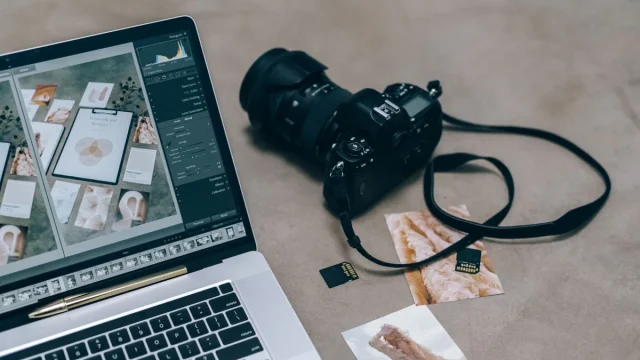
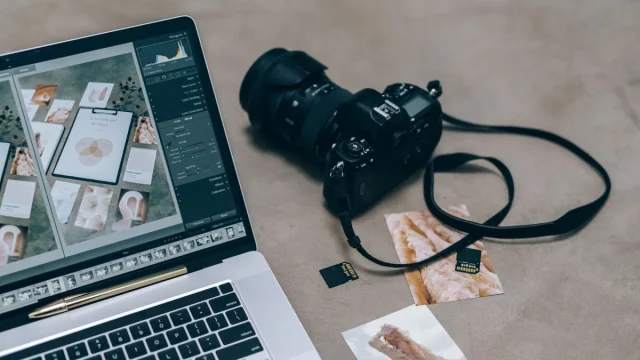
JPEG and JPG files are among the most widely used image files on the internet. They appear in camera photos, website uploads, email attachments, scanned documents, social media posts, and design projects. Even so, a JPEG can fail to open, display strange colors, show only part of an image, or look much worse after saving.
JPEG and JPG are not two different image formats. They are two filename extensions for the same format. The shorter JPG extension became common because some older systems used only three letters for file extensions, while JPEG matches the format’s full name, Joint Photographic Experts Group.
Most JPEG problems come from one of a few causes: an incomplete file, damaged image data, a file with the wrong extension, unsupported color or image settings, browser or application limitations, or repeated compression. The right solution depends on the exact symptom.
What a JPEG file contains
A JPEG is a compressed image file. Compression reduces the amount of data needed to store a photo, which makes the file easier to upload, download, and share. JPEG compression is usually lossy, meaning that some visual information is discarded to make the file smaller.
The file also contains more than the visible picture. It can include technical information such as width, height, color settings, camera details, a thumbnail, and an orientation tag. This extra information is called metadata. A program may fail to interpret one part correctly even when the main image data is still usable.
JPEG files normally use the RGB color model for screens, with separate red, green, and blue channels. Some professional images use CMYK, a color model designed mainly for printing. An application that expects RGB may open a CMYK JPEG with unusual colors or refuse to display it properly.
Common reasons a JPEG or JPG will not open
The download or transfer was incomplete
A file can appear in a folder even when its download stopped early. This may happen because of an unstable connection, a browser error, a full storage drive, or an interrupted transfer from a phone or memory card. The file may have a normal-looking name, but its contents are incomplete.
Try downloading it again from the original source. If someone sent the file to you, ask them to send it again rather than forwarding the same attachment. Compare the new file with the old one if your operating system shows file sizes. A different size does not automatically prove that one file is correct, but an unusually small file is a useful warning sign.
The file is damaged
Damage can occur when a storage device develops errors, a camera loses power while writing a photo, or a file is interrupted during copying. JPEG damage may produce an error message, a gray or black image, missing sections, colored blocks, or a picture that opens only in one application.
Make a copy of the damaged file before trying repair tools. Some programs rewrite the file during recovery, and you may need the original for another attempt. If the image came from an SD card or other removable storage, stop using that device until you have copied any important files. New files can overwrite recoverable data.
The extension does not match the real file type
Changing a filename from .png or .heic to .jpg does not convert the image. It only changes the label that applications use when identifying the file. A browser or image editor may report that the file is invalid because its internal format does not match the extension.
This can happen after files are exported by a phone, renamed in bulk, or downloaded from a service that uses unusual names. Rename the file back if you know the original format, or open it with an application that supports the actual format and export it as JPEG.
The application does not support the image settings
Most current browsers and image viewers support ordinary RGB JPEG files. Some older or specialized programs have trouble with CMYK files, unusual embedded color profiles, progressive JPEGs, very large dimensions, or uncommon metadata.
A progressive JPEG is saved in multiple passes, so a browser can display a rough version before loading the full image. This is a valid JPEG type, but old software may handle it poorly. Opening the file in a current browser or general image editor can help identify whether the problem is the file or the original program.
The file is blocked by permissions or security software
An image may not open if your account lacks permission to read the folder or file. Security software can also block files downloaded from email or the internet. Check whether other files in the same folder open normally, and try copying the image to a regular personal folder before opening it.
Do not disable security protection just to open an unknown attachment. If the file came from an untrusted source, scan it first and consider asking the sender for a new copy through a safer method.
Quick checks before trying repair
Start with simple checks. They often solve the problem without changing the image.
- Confirm that the filename ends in .jpg or .jpeg, and that file extensions are visible in your operating system.
- Check whether the file has a realistic size. A photo with a size of only a few bytes is probably incomplete or not an image.
- Try opening a different JPEG. This shows whether the problem affects one file or the whole application.
- Try another current browser, photo viewer, or image editor.
- Copy the file to a local folder instead of opening it directly from a cloud folder, email preview, network drive, or removable device.
- Restart the application and install available updates.
- Download or copy the file again from its original source.
If the file opens in one application but not another, the JPEG may be usable. Exporting it again from the application that can open it often creates a more compatible copy.
What to do when the JPEG opens but looks wrong
Colors look different
Color differences can be caused by an embedded color profile, a mismatch between RGB and CMYK, or different color management between applications. A color profile is information that tells software how to interpret the numerical color values in an image.
If the photo looks normal in one program and strange in another, open it in a modern editor and export a new JPEG using an sRGB profile. sRGB is a common color space for websites, browsers, and general screen use. Keep the original file in case the image is intended for professional printing.
The image is rotated incorrectly
Many cameras save a photo in the sensor’s original orientation and add an orientation tag instead of rotating every pixel. Most current software reads this tag correctly. Older viewers or some processing tools may ignore it, causing the photo to appear sideways or upside down.
Open the image in an editor, rotate it, and save a new copy. This writes the visible orientation into the image itself. It is more reliable than depending on metadata that another application may ignore.
Only part of the picture appears
A partially visible image usually indicates damaged JPEG data, although an application may also stop rendering when the file is unusually large. Try opening the file in more than one program. If every program shows the same missing area, the image is probably damaged.
Some repair applications can reconstruct a limited preview or recover undamaged sections. Results vary because JPEG compression stores image information in blocks, and missing data may not be recoverable. A repair tool cannot reliably recreate detail that was never saved or has been overwritten.
The image looks blurry or has blocky squares
These artifacts usually come from strong JPEG compression. Blocky squares are especially common in areas with sharp edges, text, flat colors, or fine detail. Repeatedly opening and saving a JPEG can make the problem worse because each lossy save may discard more information.
Use the original photo whenever possible. If you must edit a JPEG several times, keep a working copy in a format that does not repeatedly discard image data, such as PNG or a project format supported by your editor. Export to JPEG only when you are ready to share or publish the final version.
Reference table for frequent JPEG problems
| Symptom | Likely cause | Useful first step |
|---|---|---|
| The file will not open anywhere | Incomplete download, wrong extension, or serious corruption | Download it again and verify the real file type |
| It opens in one program only | Application limitation, color mode, metadata, or progressive encoding | Export a new RGB JPEG from the program that opens it |
| Colors look strange | CMYK data or an incompatible color profile | Convert or export using sRGB |
| The photo is sideways | Unsupported orientation metadata | Rotate and save a new copy |
| There are blocks or heavy blur | Strong or repeated JPEG compression | Use the original and export once at suitable quality |
| Only part of the image displays | Corrupted image data or very large dimensions | Try another viewer and make a copy before repair |
How to make a JPEG more compatible
If you can open the image, export a fresh copy with broadly supported settings. Use JPEG as the output format, RGB or sRGB as the color setting, and a sensible quality level. The exact quality control differs between applications, so there is no single setting that is best for every photo.
Remove unnecessary metadata if privacy or file size matters, but keep information that is important for your workflow. Camera metadata may contain the capture date, lens details, or location information. Removing it can reduce privacy risks, but it also removes useful records.
Very large images may cause trouble on older devices or websites with upload limits. Resize the image only if the destination does not need its original dimensions. Resizing reduces the number of pixels, so keep a full-resolution master copy before exporting a smaller version.
For website use, you may also convert a usable JPG to WebP. WebP is a modern image format that can often provide a smaller file for online display, although the result depends on the source image, dimensions, quality setting, and whether transparency is needed. The TopWebP JPG to WebP tool can be used when you want to convert a JPG in the browser. Keep the original JPEG until you have checked the converted file on the target website.
Recovering an important damaged image
When the image is valuable, work carefully and avoid making the only copy worse. First create a duplicate and store the original somewhere safe. If the file came from a memory card, camera, USB drive, or failing disk, stop writing new data to that storage.
Check backups, cloud photo libraries, messaging conversations, email attachments, and the device that originally created the image. A second copy is usually more reliable than attempting to reconstruct a severely damaged JPEG.
If no backup exists, a specialist recovery application may be able to extract a thumbnail or rebuild parts of the file. Choose a method that can work on a copy and save recovered results to a different drive. Be cautious with websites that ask you to upload private photos for repair. Read their privacy terms and avoid uploading sensitive images unless you trust the service and accept the risks.
Preventing future JPEG failures
Use safe habits when handling photos and other important images.
- Keep at least one backup of important original files.
- Eject memory cards and external drives properly before removing them.
- Do not edit and resave the same JPEG repeatedly when a lossless working format is available.
- Download large image files on a stable connection and check that transfers finish.
- Use clear filenames, but do not change extensions unless you are actually converting the file.
- Keep your browser, operating system, and image applications updated.
- Export website images in a format supported by the destination and test the final file before deleting the original.
These steps cannot prevent every storage failure, but they make it easier to identify the cause and recover a usable copy.
Frequently asked questions
Are JPG and JPEG different formats?
No. JPG and JPEG are filename extensions for the same JPEG image format. The difference comes mainly from older systems that preferred three-letter extensions. Changing .jpeg to .jpg, or the reverse, does not change the image data.
Why does my JPEG say it is corrupted?
The file may be incomplete, damaged during storage or transfer, or labeled with the wrong extension. Download or copy it again, try another current image application, and check whether the file opens on another device. If it fails everywhere, use a backup or a copy made before the damage occurred.
Can I repair a JPEG that will not open?
Sometimes. A repair tool may recover a preview or undamaged sections, but success depends on which parts of the file are damaged. Always make a copy first. If the image is important, look for a backup before experimenting with repair software.
Why does a JPG open with strange colors?
The image may use CMYK instead of RGB, or it may contain a color profile that the application handles incorrectly. Open it in a capable editor and export a new copy using RGB or sRGB. The original may still be preferable for print production.
Why is my JPG sideways after uploading?
The photo probably relies on orientation metadata. Some uploaders or viewers ignore that information. Rotate the image in an editor and save a new copy so the displayed orientation is stored directly in the image rather than only in a metadata tag.
Does renaming a PNG or HEIC file to JPG convert it?
No. Renaming changes only the filename extension. To create a real JPEG, open the original in an application or conversion tool that supports its format, then export or convert it as JPG or JPEG.
Can converting JPG to WebP fix a damaged file?
Only if the JPG can be opened and read by the converter. Conversion cannot restore missing image data. If the JPEG opens normally, converting it to WebP may create a smaller web-ready copy, but you should compare the result with the original before publishing it.
Why does my JPEG look worse after editing and saving?
JPEG compression removes some image information each time the file is saved with lossy settings. Repeated saves can increase blur and blocky artifacts. Keep an original copy, use a non-lossy working format during complex edits, and export the final JPEG only once when possible.
Use the related tool
Process your files directly in the browser, for free and without sending them to the TopWebP server.